+014 1511 3483

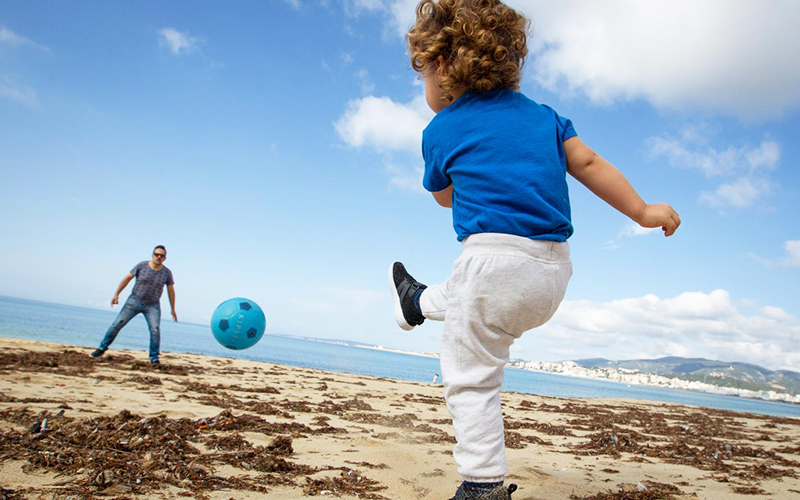
Getting outdoors is a favourite pastime of adults and children alike. But with the continuing COVID-19 pandemic, parents are faced with navigating how to enjoy being outside while protecting their family’s health. Here are some tips to consider for safer outdoor fun!
Unfortunately, yes. COVID-19 can spread anywhere you may come into close contact with an infected person. However, the risk of infection is much lower outdoors compared to indoor spaces.
Remember, the virus spreads mainly via respiratory droplets that are released from an infected person through coughing, sneezing, talking or singing – which then get into the mouth, nose or eyes of people who are nearby. Short-range airborne (or aerosol) transmission is possible, particularly in poorly ventilated, crowded indoor places. People may also become infected by touching their mouth, nose or eyes, after touching surfaces contaminated with the virus, although emerging evidence suggests that this does not play a significant role in COVID-19 transmission.
Getting vaccinated is a great step in helping to keep yourself and others safe. No COVID-19 vaccine provides 100 per cent protection though, which is why it’s important to take informed decisions about the risk involved in different activities for you and your family.
Follow guidance from your local authorities and stay informed about COVID-19 transmission and vaccination rates in your area. In places with low rates of COVID-19 transmission and high rates of vaccination, there is less risk for fully vaccinated people, but unvaccinated people, including children, can still be at risk of infection.
In many situations, it’s still recommended to continue taking precautions such as physical distancing, wearing a mask near others, frequent hand washing and self-checking for any COVID-19 symptoms before going out.
The level of risk involved in group activities depends greatly on where you live. As a starting point, check for any relevance guidance from your local authorities. You should take more precautions in areas with a higher rates of COVID-19 transmission and lower levels of vaccinations.
As a general approach, it is safer to have playdates with children from other families outdoors where possible, as the COVID-19 virus doesn’t spread as easily in such settings. Physical distancing is also likely easier to manage for you and your children than indoors. If you allow your children to play outside with friends, consider limiting it to just a few other kids and encouraging physical distancing. Make sure your children wash their hands before they come back inside.
Staying physically active is one of the best ways every member of the family can keep their minds and bodies healthy. By taking some key steps, you can help your family minimize the risk of exposure to the COVID-19 virus.
Every family has to take decisions based on their own situation. Here are some key factors to consider:
Communicate your decision to your child and take time to explain why you made that decision – and why it matters. Whatever your decision may be, it’s important to keep an open line of communication with your child. Encourage them to share any concerns and be honest if they didn’t follow the rules. This is important especially for older children and adolescents, who may be more prone to taking risks or feeling peer pressure to socialize. Try to guide and redirect them with science (what we know, what we don’t know), and with empathy and compassion.
Encourage your family to use the toilet before leaving your home and try to minimize using public ones, as you don’t know how crowded they may be. If you need to use a public restroom, keep a distance of at least 1 metre from others, wear a mask and wash your hands with soap and water immediately afterwards. If soap and water are not available, use a hand sanitizer that contains at least 60 per cent alcohol.
There is currently no evidence that the COVID-19 virus can spread through natural bodies of water or recreational waters such as pools. If you are considering going swimming with your family, first check the latest guidelines from your local authorities, which may vary depending on the local level of COVID-19 transmission. If pools and beaches are allowed to be open, here are some things to consider:
If you decide to go swimming, leave early if it starts to get crowded, minimize any time spent in enclosed spaces such as locker rooms, avoid eating in the swim area and supervise your child at all times.





Leave a comment